Porcelain, Stoneware and Earthenware: What Is the Difference?
All three are fired clay, but they behave very differently at the table. Knowing the difference helps you choose the right piece and look after it properly.
Earthenware
Earthenware is fired at relatively low temperatures (roughly 1,000–1,150°C). The body stays porous, so it is usually glazed to hold liquids. It is often thick, warm in colour and chips more easily than the other two.
Stoneware
Stoneware is fired hotter (around 1,200–1,300°C) until the clay becomes dense and largely non-porous. It is sturdy and practical. Many tenmoku and Jian-style tea bowls are stoneware: the iron-rich clay gives them their dark foot.
Porcelain
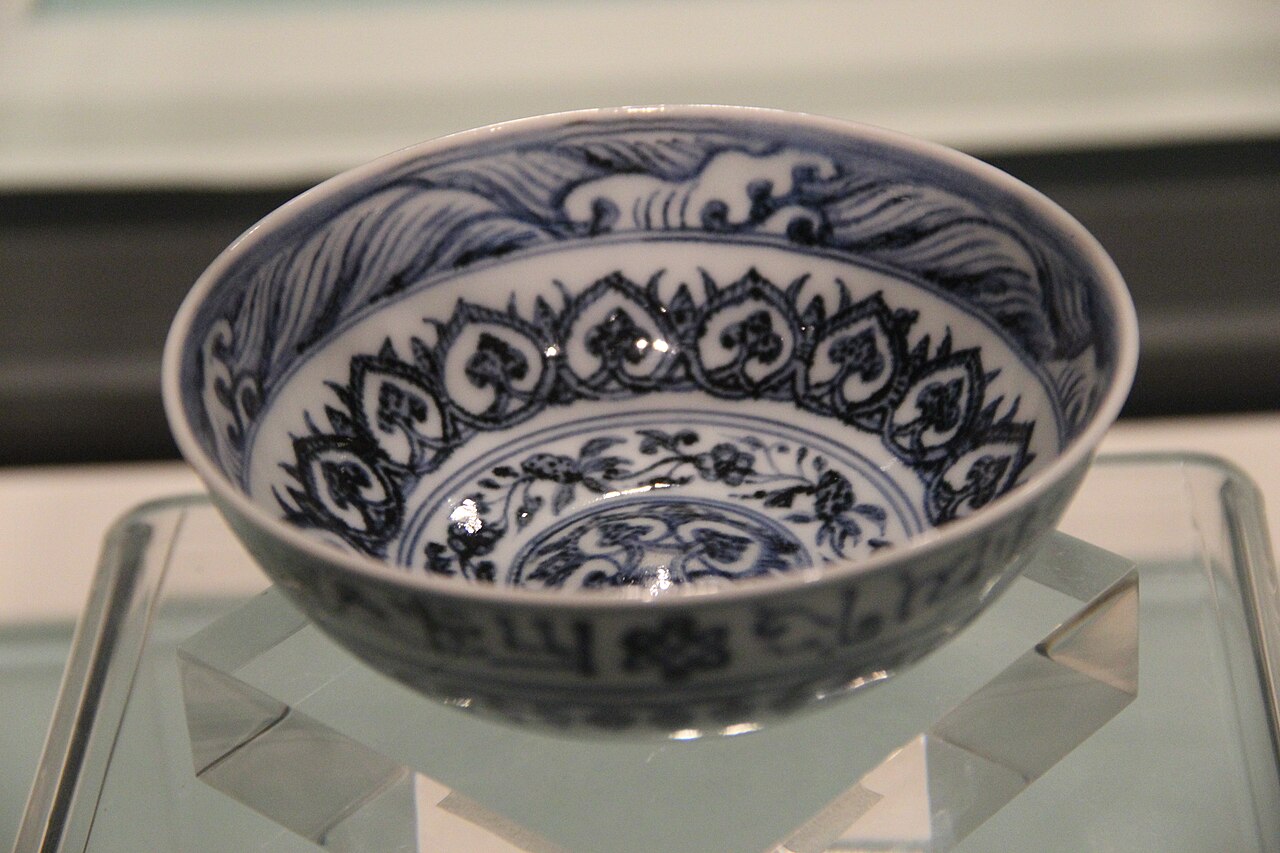
Porcelain is made from fine clays rich in kaolin and fired at high temperature (typically 1,250–1,350°C). The body becomes white, hard and vitrified; thin pieces are often slightly translucent when held to the light. Porcelain is smooth, easy to clean and does not absorb odours, which is why it is so widely used for tableware and teaware.
Quick checks at home
- Look at the foot: the unglazed ring underneath shows the body colour – white for porcelain, grey, brown or dark for stoneware, reddish or buff for earthenware.
- Hold it to the light: thin porcelain often lets a little light through.
- Tap gently: porcelain and stoneware give a clear, ringing sound; earthenware sounds duller.
These are rules of thumb rather than laboratory tests, but they are a good start when browsing ceramics.